Rheingau
Wine Estates
Rheingau
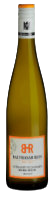
History & Legacy
- Organic estate with a strong sustainability focus.
- Known for both dry and sweet Rieslings.
Winemaking Philosophy
- Organic farming.
- Precision and clarity.
Key Vineyards
- Hattenheimer Nussbrunnen
- Hattenheimer Wisselbrunnen
Style Signature
- Clean, modern, fruit‑driven Rieslings.
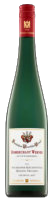
History & Legacy
- One of the Rheingau’s most historic and Riesling‑focused estates
- The family has run the estate for seven to eight generations, making it one of the oldest continuously family‑owned wineries in the Rheingau VDP.Weingut Domdechant Werner.
- Domdechant Werner is credited with saving the Mainz Cathedral from destruction during the French Revolution VDP.Weingut Domdechant Werner.
- Today, the estate is run by Dr. Franz Werner Michel and his daughter Catharina Mauritz
Winemaking Philosophy
- The estate is a long‑standing member of the VDP (Verband Deutscher Prädikatsweingüter), Germany’s top winegrowers’ association VDP.Weingut Domdechant Werner
- Minimal intervention
- Respect for nature and responsible vineyard management VDP.Weingut Domdechant Werner
- Fermentation is typically in stainless steel and large traditional oak, depending on the cuvée.
- The estate is known for producing both dry and Prädikat wines, with exceptional balance and clarity
Key Vineyards
- Hochheimer Kirchenstück
- One of the Rheingau’s most prestigious vineyards.
- Deep loess and clay over limestone.
- Produces powerful, structured Rieslings.
- Hochheimer Domdechaney
- The estate’s namesake site.
- South‑facing, warm, with loess and marl.
- Known for rich, expressive Rieslings.
- Hochheimer Hölle
- A steep, warm site with limestone and clay.
- Produces concentrated, mineral wines.
Style Signature
- Pure, classical Rheingau Riesling
- Dry wines with structure and minerality
- Kabinett, Spätlese, and Auslese with exceptional finesse
- Low alcohol, high tension in fruity styles
- Age‑worthy GG‑level bottlings from Kirchenstück and Domdechaney
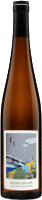
History & Legacy
- Founded in 1880; now led by Theresa Breuer, one of Germany’s most respected winemakers.
- Known for dry, terroir‑driven Rieslings of exceptional finesse
Winemaking Philosophy
- Low yields, spontaneous fermentation.
- Long lees aging.
- Focus on dry Riesling purity.
Key Vineyards
- Rüdesheimer Berg Schlossberg
- Rüdesheimer Berg Roseneck
- Rauenthaler Nonnenberg (monopole)
Style Signature
- Linear, mineral, elegant Rieslings.
- Some of the most age‑worthy dry wines in the Rheingau.
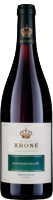
History & Legacy
- Historic estate specializing in Pinot Noir.
- Assmannshausen is the Rheingau’s red‑wine heart.
Winemaking Philosophy
- Burgundy‑influenced techniques.
- Focus on elegance and structure.
Key Vineyards
- Assmannshäuser Höllenberg (Germany’s most famous Pinot Noir site)
Style Signature
- Silky, spicy, red‑fruited Spätburgunder.
- Among Germany’s best red wines.
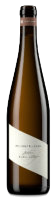
History & Legacy
- Biodynamic pioneers; Demeter certified.
- Known for soulful, expressive, natural‑leaning Rieslings.
Winemaking Philosophy
- Biodynamic farming.
- Spontaneous fermentation in large oak.
- Long elevage; minimal intervention.
Key Vineyards
- Oestricher Doosberg
- Mittelheimer St. Nikolaus
- Hallgartener Hendelberg
Style Signature
- Textural, complex, deeply mineral Rieslings.
- Wines with emotional depth and tension.
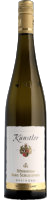
History & Legacy
- Originally from South Moravia; relocated to Hochheim after WWII.
- Gerd Künstler has elevated the estate to elite status.
Winemaking Philosophy
- Precision‑driven, clean winemaking.
- Focus on dry Riesling and Spätburgunder.
Key Vineyards
- Hochheimer Hölle
- Hochheimer Kirchenstück
- Domdechaney
Style Signature
- Powerful, structured Rieslings.
- Some of the best Pinot Noir in the Rheingau.
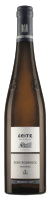
History & Legacy
- Founded in 1744, but its modern rise began under Johannes Leitz, who took over in 1985.
- Leitz is widely credited with helping revive the reputation of Rüdesheim’s steep slate vineyards on the western edge of the Rheingau.
- Internationally recognized for both dry and off‑dry Rieslings, and a major force in bringing German Riesling back to global prominence.
Winemaking Philosophy
- Focus on terroir expression from steep, slate‑rich vineyards.
- Spontaneous fermentation for top wines.
- Mix of stainless steel and large neutral oak.
- Precision, clarity, and purity are central to the style.
- Known for making some of the best GG (Grosses Gewächs) wines in the Rheingau.
Key Vineyards
- Rüdesheimer Berg Schlossberg
- One of the steepest and most iconic vineyards in Germany.
- Quartzite and slate soils.
- Produces powerful, structured, mineral Rieslings.
- Rüdesheimer Berg Roseneck
- Slightly more sheltered than Schlossberg.
- Wines are more floral, elegant, and silky.
- Rüdesheimer Berg Rottland
- Warmer site with deeper soils.
- Produces broader, more generous Rieslings with ripe stone fruit.
- Rüdesheimer Klosterlay
- A key site for Leitz’s off‑dry and entry‑level wines.
- Classic Rheingau charm and drinkability.
Style Signature
- Dry Rieslings: powerful, structured, intensely mineral.
- Off‑dry wines: beautifully balanced, vibrant, and aromatic.
- GG bottlings: among the most respected in the Rheingau.
- Entry-level wines (like “Dragonstone”): approachable, fruit‑driven, and excellent value.
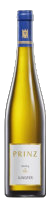
History & Legacy
- One of the Rheingau’s most respected modern estates, known for precision Riesling and biodynamic farming. Prinz is a family‑run estate located in Hallgarten, a high‑elevation village in the Rheingau.
- The winery is owned by Sabine & Fred Prinz, who originally became known for producing exceptional wines on a very small scale — Fred Prinz was even described as one of Germany’s greatest “garage winemakers” while still working as an enologist at Kloster Eberbach.
- Over time, the estate expanded from 1.5 hectares to 6.5 hectares, focusing on top Hallgarten vineyards such as Hendelberg, Jungfer, and Schönhell.
Winemaking Philosophy
- The estate’s philosophy is clearly articulated in its own materials:
- “Good wine stems from philosophy, not technology” prinz-wein.de.
- Wines are created only in suitable sites and with extensive handwork prinz-wein.de.
- The Prinz family emphasizes sustainability, working with organic farming methods and deep respect for nature prinz-wein.de.
- Vineyard cover crops are intentionally used to create competition, forcing vines to root deeper and express terroir more intensely prinz-wein.de.
- Elevation is central: the high‑altitude vineyards of Hallgarten are considered essential to the estate’s style and reputation prinz-wein.de.
- The estate’s cellar philosophy focuses on gentle handling, natural maturation on the lees, and preserving minerality, finesse, and aging potential RheinWeinWelt.
Key Vineyards
- Hallgartener Jungfer germanwineestates.com
- Hallgartener Schönhell germanwineestates.com
- Hallgartener Hendelberg germanwineestates.com
- These vineyards are known for:
- High elevation (cooler microclimate)
- Slate, quartzite, and loess soils
- Long ripening periods that preserve acidity and aromatic complexity
Style Signature
- Riesling Excellence
- 89% of the vineyard area is planted to Riesling germanwineestates.com.
- Wines are known for strong minerality, finesse, elegance, and aging potential RheinWeinWelt.
- High‑elevation sites give the wines cool precision, citrus lift, and herbal clarity.
- Pinot Noir (Spätburgunder)
- 7% of plantings are Spätburgunder germanwineestates.com.
- Style: elegant, fine‑boned, cool‑climate red fruit.
- Overall House Style
- Mineral‑driven
- Precise and linear
- Elegant rather than opulent
- Deeply expressive of Hallgarten’s altitude and soils
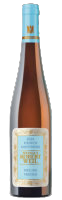
History & Legacy
- Founded in 1875; long considered the “Château d’Yquem of Germany” for its noble‑sweet wines.
- Today, Wilhelm Weil produces some of the world’s most refined dry and sweet Rieslings.
- Meticulous vineyard management.
- Stainless steel and large oak for precision and texture.
- Focus on purity and longevity.
- Kiedricher Gräfenberg (one of Germany’s greatest Riesling sites)
- Kiedricher Klosterberg
- Kiedricher Turmberg
- Deep, structured, aristocratic Rieslings.
- Benchmark GGs and noble‑sweet wines.
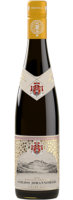
History & Legacy
- One of the most historic wine estates in the world.
- The birthplace of Spätlese (1775).
- Monastic origins dating back to the 1100s.
Winemaking Philosophy
- Focus on Riesling exclusively.
- Mix of stainless steel and oak.
- Emphasis on classic Prädikat styles and powerful dry wines.
Key Vineyard
- Johannisberger Schlossberg (monopole)
Style Signature
- Rich, spicy, structured Rieslings.
- Iconic Spätlese and Auslese.
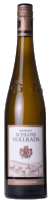
History & Legacy
- One of the oldest wine estates in the world (documented since 1211).
- Known for classic, elegant Rieslings.
Winemaking Philosophy
- Stainless steel for purity.
- Focus on Prädikat wines and balanced dry styles.
Key Vineyards
- Winkeler Hasensprung
- Winkeler Jesuitengarten
Style Signature
- Clean, floral, refined Rieslings.
- Benchmark Kabinett and Spätlese.
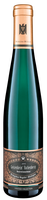
History & Legacy
- Founded in 1882; owns top sites in both Rheingau and Mosel.
- Known for powerful, structured Rieslings.
Winemaking Philosophy
- Low yields, selective harvesting.
- Mix of stainless steel and oak.
Key Vineyards
- Rüdesheimer Berg Schlossberg
- Oestricher Lenchen
Style Signature
- Bold, expressive Rieslings with aging potential.