Mosel
Wine Estates
Mosel
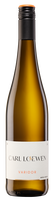
• Family estate revitalized by Karl-Josef and Christopher Loewen.• Known for preserving old vines and traditional methods.
Winemaking Philosophy
• Spontaneous fermentation.• Long maceration for some dry wines.• Focus on old-vine expression.
Key Vineyards
• Maximiner Herrenberg (ungrafted vines from 1896)• Laurentiuslay
Style Signature
• Mineral, elegant, textural.• Dry wines with depth and character.
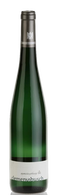
• Biodynamic pioneer since the 1980s.• Known for terroir-specific bottlings based on slate color.
Winemaking Philosophy
• Wild fermentation.• Long lees aging.• Minimal sulfur.• Focus on dry, terroir-driven wines.
Key Vineyard
• Marienburg
- Multiple parcels across blue, grey, and red slate.
- Each slate type bottled separately.
Style Signature
- Deep, textural, powerful dry Rieslings.
- Among the most terroir-transparent wines in Germany.
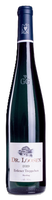
• Family-owned for over 200 years.• Led by Ernst Loosen, one of the most influential figures in German wine.• Major force in reviving global interest in Mosel Riesling.
Winemaking Philosophy
• Old vines (60–120 years).• Only estate fruit for top wines.• Long, slow fermentation; preference for spontaneous fermentations.• Emphasis on single-vineyard bottlings.
Key Vineyards
• Erdener Prälat (tiny, extremely steep, volcanic red slate)• Ürziger Würzgarten• Wehlener Sonnenuhr• Graacher Himmelreich
Style Signature
• Classic Mosel charm: floral, slatey, elegant.• Sweet wines are lush but never heavy.• Dry wines are increasingly strong and structured.
History & Legacy
Winemaking Philosophy• One of the oldest estates in the Mosel (founded 1636).• Famous for its historic ownership of the Bernkasteler Doctor vineyard.
Key Vineyard• Focus on elegance and finesse.• Gentle pressing, cool fermentation.• Emphasis on fruity Prädikat wines.
• Doctor
- One of Germany’s most legendary vineyards.
- Produces wines of immense aromatic complexity and longevit
• Delicate, floral, refined.• Sweet wines with exceptional lift and perfume.
History & Legacy
• Founded in the late 18th century, based at the historic Scharzhof estate.• Now in its 6th generation, led by Egon Müller IV.• Universally considered the world’s greatest producer of sweet Riesling.• Their wines routinely achieve the highest auction prices for white wine globally.
Winemaking Philosophy
• Fermentation in traditional large old Fuder casks.• Minimal intervention; the estate believes the vineyard should speak for itself.• Focus almost exclusively on fruity and noble-sweet styles — they do not chase dry wine trends.• Extremely selective harvesting, often with multiple passes (Fuder by Fuder).
Key Vineyard
• Scharzhofberger
- • Grey slate, cool microclimate, steep slopes.
- • Produces wines of unmatched finesse, delicacy, and longevity.
- • Known for its ability to produce perfect botrytis in great years.
Style Signature
• Feather-light alcohol (often 7–8%).• Explosive aromatics: white peach, lime blossom, wet slate.• A paradox of delicacy and intensity.• Sweetness is always balanced by razor-sharp acidity.
History & Legacy
• Founded in 1984 when Markus Molitor took over at age 20.• Now one of the largest and most ambitious estates in the Mosel.• Known for producing the full spectrum: bone-dry → TBA.
Winemaking Philosophy
• Fermentation in both stainless steel and large oak.• Long lees contact for dry wines.• Uses a capsule color system:o White = dryo Green = off-dryo Gold = fruity/sweet• Obsessive vineyard work; extremely low yields.
Key Vineyards
• Wehlener Sonnenuhr• Zeltinger Sonnenuhr• Ürziger Würzgarten• Graacher Himmelreich• Bernkasteler Badstube
Style Signature
• Precision and clarity.• Deep minerality and structure in dry wines.• Sweet wines with incredible purity and tension.• Among the most age-worthy Rieslings in Germany.
• Estate dates back to the Roman era.• Owned by the von Schubert family since 1882.
Winemaking Philosophy
• Fermentation in old Fuder.• Focus on Kabinett and Spätlese.• Wines often show a signature herbal, minty note.
Key Vineyards
• Abtsberg• Herrenberg• Bruderberg
Style Signature
• Ethereal, herbal, aristocratic.• Sweet wines are among the most refined in Germany.
History & Legacy
• Family estate dating back to the 1600s.• Johannes Selbach is known for a traditional, terroir-first approach.
• Spontaneous fermentation in old Fuder.
• Minimal manipulation; no chasing trends.
• Wines often bottled with a touch of residual sugar to preserve Mosel typicity.
Key Vineyards
• Zeltinger SonnenuhrStyle Signature
• Zeltinger Schlossberg
• Anrecht (a special parcel bottling)
• Pure, mineral, classic Mosel.
• Kabinett and Spätlese are benchmarks for balance.• Sweet wines show exceptional finesse.
History & Legacy
• Led by Thomas Haag (brother of Oliver Haag).• Rapidly ascended to elite status in the last 20 years.
Winemaking Philosophy
• Spontaneous fermentation.• Long, slow elevage.• Focus on purity and precision.
Key Vineyards
• Niederberg Helden (estate monopole)• Juffer-Sonnenuhr• Himmelreich• Sonnenuhr
Style Signature
• Crystalline, mineral, tightly wound.• Some of the most age-worthy dry Mosel wines.
History & Legacy
• Revived by Roman Niewodniczanski in 2000.• Now one of Germany’s most dynamic estates.
Winemaking Philosophy
• Focus on dry, powerful Saar Rieslings.• Long lees aging.• Low intervention, spontaneous fermentation.
Key Vineyards
• Gottesfuß• Scharzhofberger• Altenberg• Braunfels
Style Signature
• Bold, structured, muscular dry Rieslings.• A modern counterpoint to Egon Müller’s ethereal style.
• Founded by Daniel Vollenweider, a Swiss winemaker who fell in love with the Mosel.• Quickly rose to cult status.
Winemaking Philosophy
• Focus on sweet and off-dry wines.• Old vines, low yields.• Spontaneous fermentation.
Key Vineyard
• Wolfer Goldgrube
Style Signature
• Aromatic, lush, exotic fruit.• Sweet wines with remarkable precision.
History & Legacy
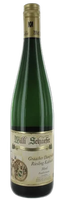
• Tiny family estate with cult status.• Led by Christoph and Andrea Schaefer.
Winemaking Philosophy
• Gentle handling, spontaneous fermentation.• Focus on Kabinett and Spätlese.• Very small production.
Key Vineyards
• Graacher Himmelreich• Graacher Domprobst
Style Signature
• Feather-light, filigree, emotionally expressive.• Some of the most beloved Rieslings in the world.