Pfalz
Wine Estates
Pfalz
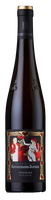
History & Legacy
- Founded in 1718; one of the Pfalz’s most historic estates.
- Key player in German wine culture.
Winemaking Philosophy
- Mix of stainless steel and oak.
- Focus on dry Riesling and Sekt.
Key Vineyards
- Hohenmorgen
- Kieselberg
- Ungeheuer
Style Signature
- Classic, balanced, fruit‑driven Rieslings.
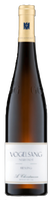
History & Legacy
- Family estate since the 16th century.
- Led by Steffen Christmann (VDP President) and daughter Sophie.
- One of Germany’s biodynamic leaders.
Winemaking Philosophy
- Biodynamic farming.
- Spontaneous fermentation.
- Focus on Riesling and Pinot Noir.
Key Vineyards
- Gimmeldinger Biengarten
- Gimmeldinger Kapellenberg
- Idig (limestone Grand Cru)
Style Signature
- Elegant, filigree, precise Rieslings.
- Pinot Noirs with Burgundian finesse.
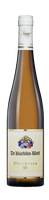
History & Legacy
- Founded in 1597, one of Germany’s oldest estates.
- First German winery to adopt a Burgundian-style vineyard classification (PC/GC).
- A pioneer of biodynamics in Germany.
Winemaking Philosophy
- 100% biodynamic.
- Fermentation in large neutral oak (Stück & Doppelstück).
- Focus on dry Riesling with Grand Cru structure.
Key Vineyards
- Forster Pechstein (volcanic basalt)
- Forster Jesuitengarten
- Ruppertsberger Gaisböhl (monopole)
- Wachenheimer Gerümpel
Style Signature
- Monumental, structured Rieslings with Burgundian depth.
- Long-lived, mineral, powerful.
History & Legacy
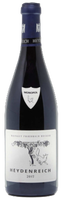
- Vineyards lie partly in Alsace due to border location.
- Known for world-class Pinot Noir.
Winemaking Philosophy
- Burgundy‑influenced.
- Wild fermentation, barrique aging.
Key Vineyards
- Sankt Paul
- Kammerberg
- Schweigener Sonnenberg
Style Signature
- Silky, complex, age‑worthy Pinot Noir.
History & Legacy
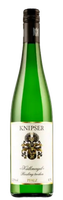
- Family estate known for red wine excellence.
- A pioneer of German Bordeaux blends.
Winemaking Philosophy
- Barrique aging for reds.
- Focus on Pinot Noir, Cabernet, and dry Riesling.
Key Vineyards
- Laumersheimer Kirschgarten
- Laumersheimer Steinbuckel
Style Signature
- Some of Germany’s best red wines.
- Dense, structured Rieslings.
History & Legacy
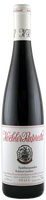
- Traditionalist estate famous for dry Rieslings.
- Known for resisting trends — no barrique, no sweetness.
Winemaking Philosophy
- Old vines, low yields.
- Spontaneous fermentation.
- Long aging in large old oak.
Key Vineyard
- Kallstadter Saumagen (legendary site)
Style Signature
- Firm, mineral, age‑worthy Rieslings.
- Old‑school, uncompromising style.
History & Legacy
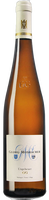
- Family estate since 1920.
- Known for classic Pfalz Riesling.
Winemaking Philosophy
- Stainless steel for clarity.
- Focus on dry Riesling.
Key Vineyards
- Forster Pechstein
- Forster Ungeheuer
- Jesuitengarten
Style Signature
- Pure, mineral, precise Rieslings.
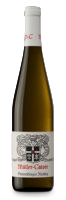
History & Legacy
- Family estate since 1744.
- Known for purity and precision.
Winemaking Philosophy
- Organic farming.
- Stainless steel for clarity.
- Benchmark aromatic varieties.
Key Vineyards
- Haardter Bürgergarten
- Haardter Herzog
- Haardter Mandelring
Style Signature
- Crystal-clear Rieslings.
- Germany’s best Scheurebe and Muskateller.
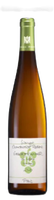
History & Legacy
- Historic estate with a strict dry‑wine philosophy.
Winemaking Philosophy
- Zero manipulation.
- Pure terroir expression.
Key Vineyards
- Kastanienbusch
- Siebeldinger Sonnenschein
Style Signature
- Intense, structured, uncompromising Rieslings.
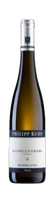
History & Legacy
- One of Germany’s most awarded young winemakers.
- Known for both Riesling and red varieties.
Winemaking Philosophy
- Low yields, selective harvesting.
- Barrique for reds; stainless steel for whites.
Key Vineyards
- Kirschgarten
- Steinbuckel
- Burgweg
Style Signature
- Precise, powerful Rieslings.
- Outstanding Pinot Noir and Cabernet blends.
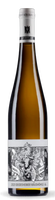
History & Legacy
- Founded in 1849; famous for Sekt.
- Revitalized under Mathieu Kauffmann (ex‑Bollinger).
Winemaking Philosophy
- Champagne‑method Sekt.
- Dry Rieslings with precision.
Key Vineyards
- Forster Pechstein
- Deidesheimer Kieselberg
Style Signature
- Germany’s best sparkling wines.
- Crisp, mineral Rieslings.
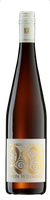
History & Legacy
- Founded in 1849; revitalized in the 2000s.
- Known for a bold, oak‑influenced style unusual for Germany.
Winemaking Philosophy
- Spontaneous fermentation.
- Extensive use of barrique for top Rieslings.
- Long lees aging.
Key Vineyards
- Deidesheimer Kalkofen
- Deidesheimer Langenmorgen
- Forster Ungeheuer
- Forster Pechstein
Style Signature
- Smoky, textural, powerful Rieslings.
- Almost Meursault‑like in structure.